Pujan Mehta
SOE- B.Tech, AI DS – 3RD Year
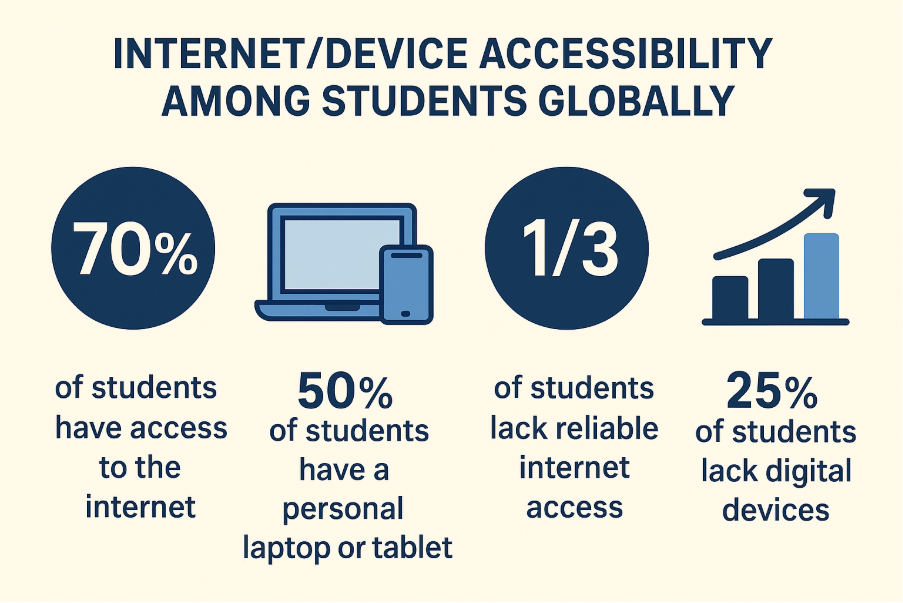
The digital divide in education is a pressing issue that affects millions of students worldwide. The gap between students who have access to technology and those who don’t can hinder their ability to learn, grow, and thrive in the 21st century. To create a more inclusive and equitable education system, bridging this divide is essential.
The Current State of the Digital Divide
The digital divide manifests in many ways, and its impact can be profound. Some of the key challenges include:
- Lack of infrastructure: Many schools and communities lack the necessary facilities such as computers, internet connectivity, and reliable devices.
- High costs: Digital devices and internet services are expensive for many families, limiting students’ access.
- Limited digital literacy: Both students and teachers often lack the knowledge and skills to use digital tools effectively.
The Impact of the Digital Divide
The consequences of the digital divide extend far beyond the classroom:
- Limited access to information: Without digital tools, students struggle to access learning resources or complete assignments.
- Reduced academic performance: Students without access often fall behind academically compared to their peers.
- Fewer career opportunities: In today’s digital economy, students without strong digital skills are disadvantaged in the job market.
.
Innovative Solutions
Thankfully, there are innovative ways to bridge the gap and create inclusive opportunities:
- Online learning platforms: Websites and apps offer free or affordable educational content to students worldwide.
- Mobile learning apps: Interactive apps make education more engaging and accessible.
- Community-based initiatives: Programs providing free devices, internet connectivity, and training.
- Digital literacy programs: Training students and teachers in essential tech skills for the modern world.

The Role of Stakeholders
Bridging the digital divide is not the responsibility of a single group—it requires collaboration:
- Governments: Invest in infrastructure and create policies that promote digital inclusion.
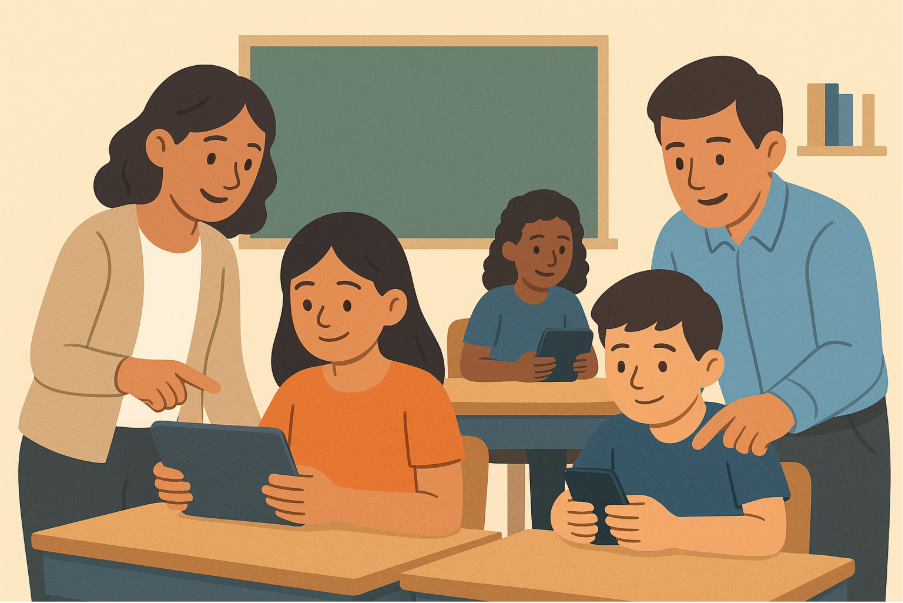
- Educators: Integrate digital tools into teaching methods and curricula.
- Tech companies: Provide affordable, accessible solutions and support digital education initiatives.
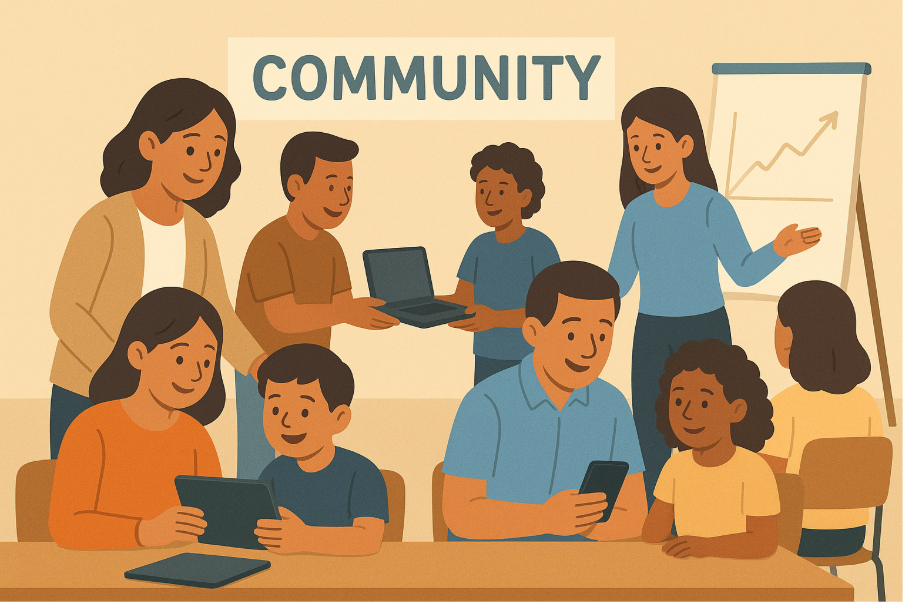
- Communities: Encourage and participate in digital literacy programs.

Conclusion
Bridging the digital divide in education is crucial for building an inclusive and equitable future. By working together—governments, educators, tech companies, and communities—we can ensure that every student has access to the tools and skills they need to succeed in today’s world.
It’s time to act and close the digital divide once and for all.

Recommendations
- Governments should invest in digital infrastructure and inclusion policies.
- Educators should adopt and adapt technology in their teaching practices.
- Tech companies should develop affordable, scalable digital learning solutions.
- Communities should support initiatives that provide access and training.
.